
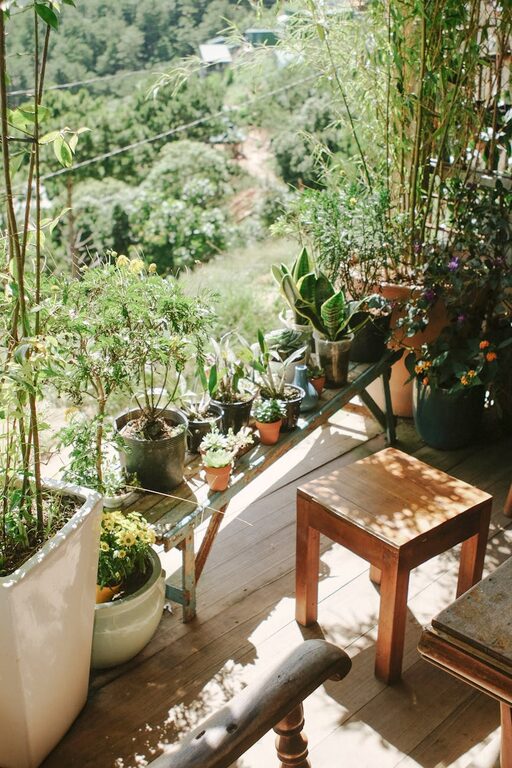
Creating a relaxing garden space at home is a wonderful way to enhance your wellbeing and enjoy the outdoors. Whether you have a large backyard or a small balcony garden, thoughtful design and careful planning can turn any area into a calm retreat. In this post, we’ll explore practical tips to help you create a peaceful garden space perfect for relaxation.
Why Create a Relaxing Garden Space?
Spending time in a natural environment has proven benefits, including reducing stress, improving mood, and boosting creativity. A garden designed with relaxation in mind offers a private escape from the hustle and bustle of daily life. By incorporating calming elements, you can create a sanctuary that invites you to slow down and connect with nature.
Planning Your Garden Retreat
Before you start planting or purchasing furniture, it’s important to plan your space carefully.
Consider Your Available Space and Light
Assess how much area you have and the amount of sunlight your garden receives. Some plants and features thrive in full sun, while others prefer shade. Understanding your garden’s conditions will help you choose suitable plants and seating arrangements.
Define the Purpose of Your Space
Think about how you want to use the garden. Do you want a quiet reading nook, a spot for meditation, or an area for socialising? Defining the purpose will guide your design choices.
Choosing the Right Plants
Plants are central to creating a tranquil garden atmosphere. Here are some tips on selecting the right greenery:
Opt for Soothing Colours and Fragrances
Green is naturally calming, but incorporating plants with soft colours such as lavender, pale pink, or white flowers can enhance the peaceful vibe. Aromatic plants like lavender, jasmine, or rosemary add lovely scents that promote relaxation.
Include a Variety of Textures
Mix leafy plants with grassy varieties and flowering shrubs to add visual interest without overwhelming the senses. Consider plants that sway gently in the breeze for added movement and calmness.
Low-Maintenance Options
If you prefer minimal gardening, choose hardy plants that require less care, such as succulents, ferns, or evergreen shrubs.
Adding Comfortable Seating
To enjoy your garden fully, comfortable seating is essential.
Choose Comfortable Furniture
Select chairs or benches with soft cushions or padded seats. Weather-resistant materials like rattan, teak, or metal can withstand outdoor elements while remaining stylish.
Create Shaded Areas
A pergola, umbrella, or garden canopy can provide shade during sunny days, making your space usable all day long.
Position Seating to Take Advantage of Views
Arrange seating facing your favourite plants or natural features such as trees or water elements for maximum enjoyment.
Incorporating Water Features
The gentle sound of water can be very soothing.
Small Ponds or Fountains
A small pond or fountain adds a tranquil sound and attracts wildlife like birds, which can enhance your garden’s peacefulness.
Birdbaths
Simple birdbaths provide water for birds, encouraging them to visit and add natural ambience.
Lighting for Evening Relaxation
Good lighting extends your garden’s usability into the evening and adds to the relaxing mood.
Soft, Warm Lighting
Use solar-powered lanterns or fairy lights to create a cosy atmosphere without harsh brightness.
Pathway Lighting
Illuminate garden paths to ensure safety and highlight features as dusk falls.
Adding Personal Touches
Incorporate elements that make the garden feel welcoming and distinctly yours.
Use Outdoor Rugs and Cushions
These add colour and comfort, making your garden furniture feel more like an extension of your home.
Display Garden Art or Ornaments
Wind chimes, sculptures, or decorative pots can enhance the visual appeal and contribute to the tranquil atmosphere.
Create a Meditation or Yoga Space
If you practise mindfulness, designate a quiet corner for meditation or yoga mats, possibly with floor cushions or a small platform.
Maintenance Tips for a Stress-Free Garden
A relaxing garden should not become a source of stress because of excessive maintenance.
– Schedule regular but manageable tasks like watering, pruning, and weeding.
– Use mulch around plants to retain moisture and suppress weeds.
– Choose plants that suit your garden’s conditions and lifestyle.
– Consider automatic irrigation systems to save time and effort.
Final Thoughts
Transforming your garden into a relaxing oasis is achievable with thoughtful planning and a few simple additions. Remember to tailor your garden to your own preferences and lifestyle for a truly personal retreat. Over time, your garden will grow into a cherished place of peace and enjoyment, offering a welcome escape whenever you need it.