Creating a productive home workspace environment is essential for anyone working remotely or balancing tasks between home and office. A well-organised, comfortable space can improve focus, reduce stress, and help maintain a healthy work-life balance. Whether you have a dedicated room or a small corner, these tips will guide you to set up a workspace that encourages efficiency and wellbeing.
Choose the Right Location
Prioritise Natural Light
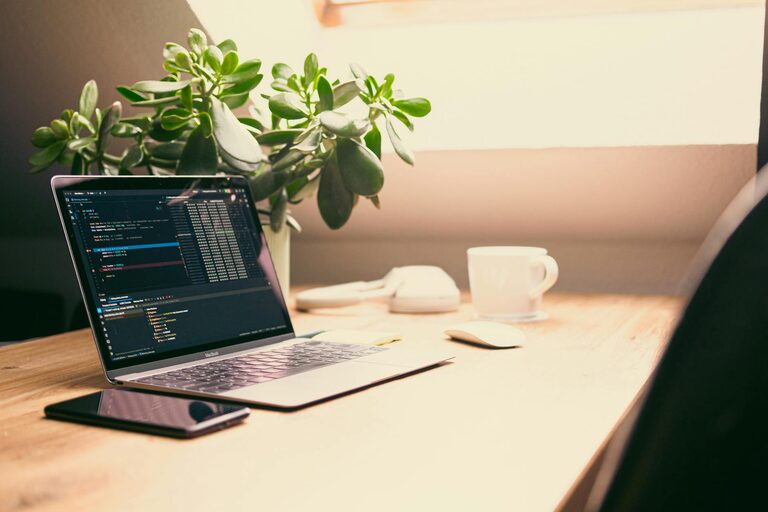
Select a space with good natural light if possible. Daylight enhances mood and alertness, helping to minimise eye strain. Position your desk near a window but avoid direct glare on your computer screen. If natural light is limited, invest in quality artificial lighting that mimics daylight.
Minimise Distractions
Find an area where interruptions are infrequent. Inform family members or housemates of your working hours to reduce noise and disturbances. Consider noise-cancelling headphones if ambient sounds are unavoidable.
Ergonomics: Comfort Meets Efficiency
Invest in a Supportive Chair
A comfortable, adjustable chair is vital. Look for one that supports the natural curve of your spine, with adjustable height and armrests. Sitting correctly reduces the risk of back pain and fatigue.
Desk Height and Setup
Your desk should be at a height where your forearms are parallel to the floor while typing. Keep your keyboard and mouse close to avoid overreaching. Position your computer screen at eye level about an arm’s length away to prevent neck strain.
Take Regular Breaks
Incorporate short breaks to stand, stretch, or move around every hour. This helps circulation and reduces muscle tension, improving overall comfort and productivity.
Organisation and Decluttering
Keep Essentials Within Reach
Arrange your most-used items like notebooks, pens, and chargers close to your workspace. Use organisers or trays to keep them neat and accessible.
Remove Clutter
A tidy desk promotes a clear mind. Regularly clear away unnecessary papers or objects. Consider digital organisation tools to reduce paper use and stay on top of tasks.
Use Storage Solutions
Shelves, filing cabinets, or drawers can keep your workspace orderly. Label storage to quickly locate items and return them after use.
Personalise with Purpose
Add Meaningful Elements
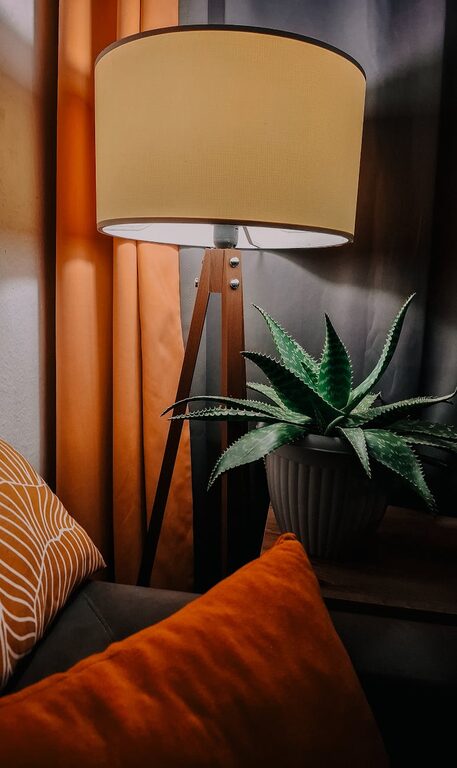
Include plants, artwork, or photographs that inspire you, but be selective. A few personal touches can boost motivation without creating distractions.
Select Calming Colours
Choose wall colours or accessories in shades that promote calmness, such as blues or greens. Avoid overly bright or busy patterns in your working area.
Technology and Tools
Reliable Internet Connection
Ensure your internet speed supports video calls and online collaboration smoothly. Consider a wired connection for greater stability when necessary.
Use Efficient Equipment
Invest in tools that support your workflow, such as a quality headset, external monitor, or ergonomic keyboard. Having the right equipment reduces frustration and increases output.
Backup and Security
Regularly save your work and back up important files. Use strong passwords and keep software updated to protect your data.
Maintain Boundaries for Work-Life Balance
Set Clear Working Hours
Define when your workday starts and finishes. This helps separate professional tasks from personal life, reducing burnout.
Create a Shutdown Routine
At the end of your day, tidy your workspace and switch off devices. This signals the end of work time and helps you relax.
Schedule Time Away from Your Desk
Use breaks and lunch periods to step away completely. Outdoor walks or light exercise can recharge your mind and body for the next session.
Final Thoughts
Designing a productive home workspace is a mix of practical organisation, ergonomic comfort, and personal preferences. By choosing the right location, investing in supportive furniture, keeping your area tidy, and setting clear boundaries, you create an environment that supports focus and wellbeing. Remember, it’s a process — adjust your setup as needed to find what works best for you. A productive workspace is not just about work; it’s about creating a space where you enjoy spending time and can perform at your best.