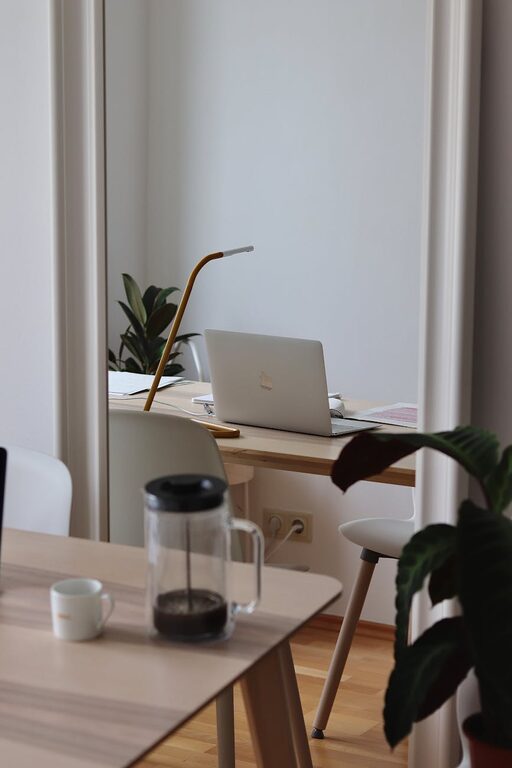
Creating a sustainable garden in small urban spaces is both a rewarding and practical way to connect with nature, even when space is limited. Whether you have a balcony, a tiny backyard, or a windowsill, it is possible to design a garden that is eco-friendly, productive, and enjoyable. This guide offers useful tips to help you cultivate a green oasis that supports the environment and fits your lifestyle.
Why Choose a Sustainable Garden?
Sustainability in gardening means using methods and materials that protect natural resources, encourage biodiversity, and reduce waste. In urban environments, sustainable gardens can improve air quality, lower temperatures, and offer habitats for pollinators such as bees and butterflies. They also save money and resources by reducing the need for chemical treatments, excessive water, or purchased produce.
Planning Your Urban Sustainable Garden
Assess Your Space and Conditions
Start by examining the available space: note how much sunlight it receives, the wind patterns, and areas where water might drain or collect. Understanding these factors will help you select the right plants and structures.
– Sunlight: Most edible plants need 6-8 hours of sunlight daily.
– Shelter: Protect plants from strong winds using screens or walls.
– Water access: Ensure watering your plants will be convenient.
Choose Suitable Containers and Beds
In small areas, containers, raised beds, and vertical planters make efficient use of space and soil.
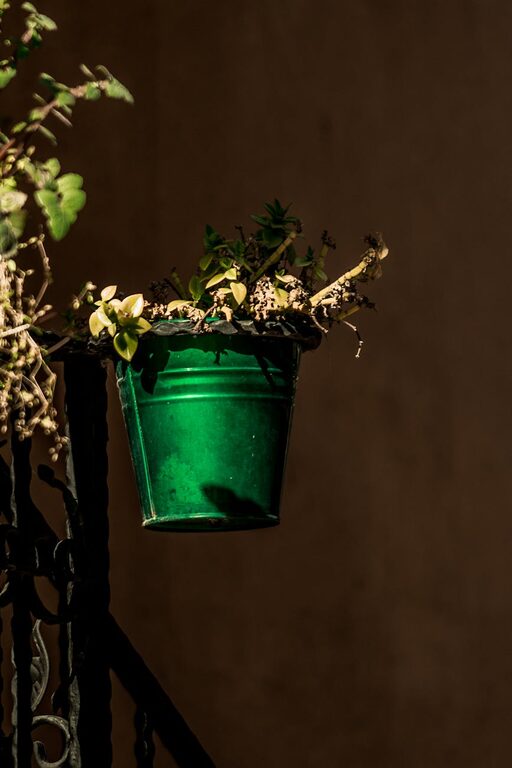
– Containers: Use pots, window boxes, or recycled items such as old crates.
– Raised beds: Ideal for better drainage and soil control.
– Vertical gardens: Trellises, hanging baskets, and wall-mounted planters maximise planting area.
Selecting Sustainable Plants
Opt for Native and Adapted Species
Choose plants that are native or well-adapted to your local climate. These plants usually require less water, fewer chemicals, and provide habitat for local wildlife.
Grow Edibles and Pollinator-Friendly Plants
Growing herbs, vegetables, and fruits can reduce food miles and packaging waste. Additionally, flowering plants attract beneficial insects.
– Examples of easy, compact vegetables: salad greens, cherry tomatoes, radishes.
– Herbs like basil, mint, and chives thrive in small pots.
– Choose flowers such as lavender, marigolds, and nasturtiums to support pollinators.
Water-Wise Gardening
Collect and Reuse Water
Installing a rainwater collector or using a simple bucket to capture rain from gutters can help conserve water. Avoid overwatering by understanding each plant’s needs and watering early in the day to minimise evaporation.
Improve Soil Health
Healthy soil retains moisture better and supports plant growth naturally.
– Add organic compost or well-rotted manure.
– Use mulches such as straw or leaves to reduce evaporation and suppress weeds.
Minimising Waste and Chemicals
Compost Kitchen Waste
A small compost bin or wormery can convert vegetable scraps into nutrient-rich compost for your garden. This approach reduces landfill waste and fertilizes your plants naturally.
Avoid Chemical Pesticides and Fertilisers
Instead, use natural pest deterrents, companion planting, and encourage beneficial insects like ladybirds and lacewings. Homemade remedies using garlic or neem oil can also help control pests safely.
Creating Wildlife Habitats
Even small gardens can support urban wildlife by providing food, water, and shelter.
– Leave some areas with natural leaf litter or bare soil for insects.
– Place shallow dishes of water for birds and insects.
– Include plants that produce seeds and berries for birds.
Practical Tips for Maintaining Your Garden
Regular Maintenance
Keep your garden healthy with regular watering, pruning, and harvesting. Removing dead or diseased material prevents problems from spreading.
Seasonal Planning
Plan for year-round interest by rotating crops and adding seasonal plants. This helps maintain productivity and supports biodiversity throughout the year.
Use Sustainable Tools and Practices
Select tools that last long and are easy to maintain. Avoid single-use plastic products, and consider second-hand or hand-powered equipment where possible.
Conclusion
Creating a sustainable garden in small urban spaces is both achievable and beneficial. By carefully planning, selecting suitable plants, conserving water, and encouraging wildlife, you can develop a green space that enhances your quality of life while caring for the environment. With some creativity and commitment, even the smallest outdoor areas can become thriving, eco-friendly gardens. Happy gardening!