
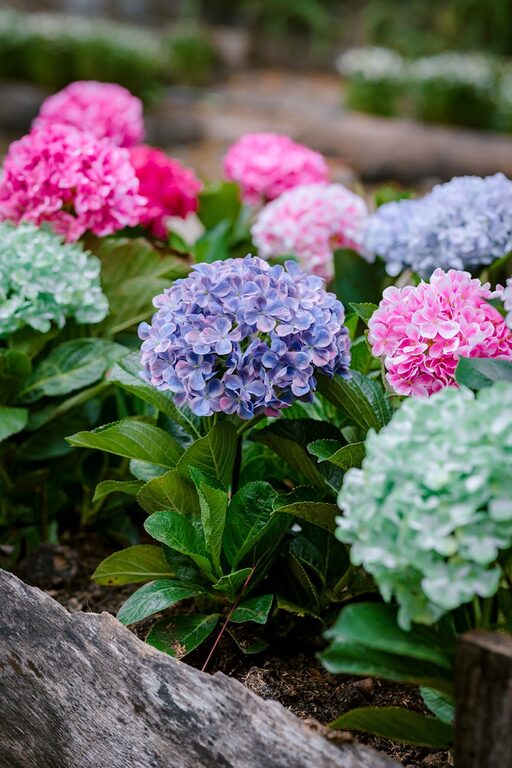
Creating a home garden that is both beautiful and functional throughout the year can be a rewarding project. It not only enhances the appearance of your property but also provides a relaxing space to enjoy nature. Whether you have a large backyard or a small balcony, with some planning and care, you can create a garden that thrives in every season.
In this post, we’ll explore tips to help you design and maintain your garden to keep it looking its best and serving your needs all year round.
Plan Your Garden with the Seasons in Mind
Understand Your Climate and Soil
Knowing your local climate and soil type is essential. It helps you select plants suited to your environment, which are more likely to flourish with less effort.
– Climate: Check your hardiness zone or local gardening guides to find out which plants survive your winters and summers.
– Soil: Test your soil to identify its pH and texture. This will influence plant selection and any amendments needed.
Choose Plants for Year-Round Interest
Aim for a mix of plants that provide flowers, foliage colour, and texture at different times of the year.
– Spring: Bulbs like daffodils and tulips offer early colour.
– Summer: Perennials such as lavender and roses bloom profusely.
– Autumn: Plants like asters and chrysanthemums keep the garden bright.
– Winter: Evergreens and shrubs with berries add structure and interest.
Incorporate Functional Elements
Balance beauty with utility by including:
– Vegetable plots or containers for fresh produce.
– Herb borders for easy access while cooking.
– Seating areas to enjoy your garden in comfort.
– Paths and lighting to navigate safely after dusk.
Prepare and Maintain Your Garden Beds
Clear and Enrich Your Soil
Before planting, remove weeds and debris. Add compost or well-rotted manure to improve soil fertility and structure.
Mulch Regularly
Mulching helps retain moisture, suppress weeds, and protect roots from temperature extremes. Apply a 5-7cm layer around plants but keep it away from stems to prevent rot.
Water Wisely
Water is crucial, but overwatering can harm plants. Early morning is the best time to water, giving plants a good start for the day and reducing evaporation.
– Use drip irrigation or soaker hoses to deliver water efficiently.
– Collect rainwater where possible for an eco-friendly supply.
Care for Your Garden Throughout the Year
Spring: Planting and Pruning
– Time to divide and transplant perennials.
– Prune spring-flowering shrubs after they bloom.
– Start sowing seeds indoors or directly outside for summer crops.
Summer: Maintenance and Harvesting
– Keep weeds under control as they compete for nutrients.
– Deadhead flowers to extend blooming.
– Harvest vegetables and herbs regularly for best flavour.
Autumn: Prepare for Winter
– Plant bulbs for spring flowering.
– Clear fallen leaves to prevent mould and pests.
– Protect tender plants with mulch or fleece.
Winter: Planning and Protection
– Use frost cloths or garden fabric to shield sensitive plants.
– Plan next year’s planting schemes.
– Prune deciduous trees and shrubs while dormant.
Design with Practicality and Aesthetics in Mind
Use Layers and Heights
Plant in layers: ground cover, mid-height shrubs, and taller trees. This adds depth and shelters smaller plants.
Choose Colours and Textures Thoughtfully
Select a harmonious colour palette but include contrasting textures for visual interest.
Incorporate Wildlife-Friendly Features
Bird feeders, birdbaths, and insect hotels invite wildlife, adding life to your garden and helping with pest control.
Maximise Space
Vertical gardening using trellises or wall-mounted planters is ideal for small gardens.
Tools and Equipment to Keep Handy
– Pruning shears for shaping and deadheading.
– Garden fork and spade for soil preparation.
– Watering can or hose with adjustable nozzle.
– Gloves to protect your hands.
– Compost bin for recycling garden waste.
Final Thoughts
Creating a home garden that looks wonderful and works well all year takes some effort, but by choosing the right plants, preparing the soil, and providing ongoing care, you can enjoy a vibrant outdoor space through spring, summer, autumn, and winter. Remember to adapt your approach to suit your local conditions and personal preferences.
Happy gardening!