
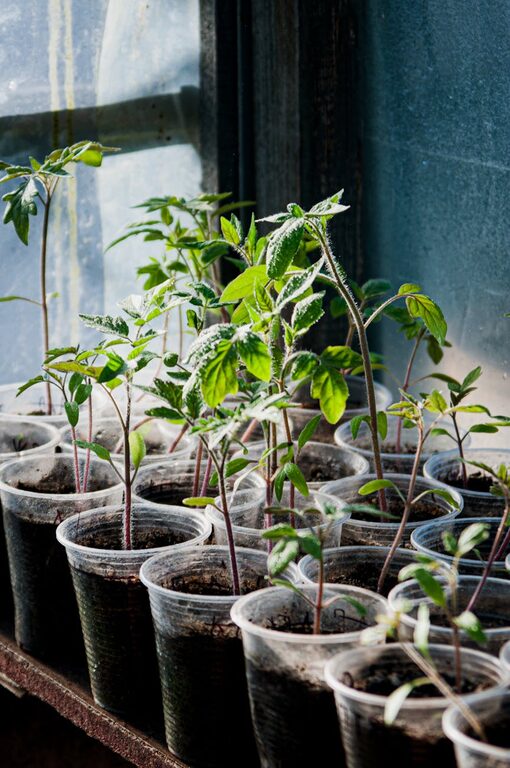
Creating a sustainable and eco-friendly garden at home is a rewarding way to connect with nature, reduce your environmental footprint, and enjoy fresh, home-grown plants. Whether you have a small balcony or a spacious backyard, there are many ways to make your garden kinder to the planet. This guide will walk you through practical tips to develop a greener, healthier garden that benefits both you and the environment.
Why Choose a Sustainable Garden?
Sustainability in gardening means using resources wisely, supporting biodiversity, and avoiding harmful chemicals. An eco-friendly garden helps conserve water, reduces pollution, supports local wildlife, and can even provide organic produce. It’s not just about the environment – sustainable gardening also leads to a more resilient and enjoyable outdoor space.
Planning Your Eco-Friendly Garden
Assess Your Space and Conditions
Start by looking at what you have. Observe the sunlight, soil type, wind, and water availability. Understanding your local climate and garden conditions is essential. Knowing these factors helps you choose suitable plants and gardening methods that will thrive without excessive inputs.
Choose Native and Drought-Tolerant Plants
Native plants are adapted to your region’s climate and soil, making them easier to grow and maintain with less water and fewer pesticides. Drought-tolerant plants further help reduce water consumption. Selecting these plants encourages local wildlife, such as bees and butterflies, to visit your garden.
Design for Wildlife
Include features such as bird feeders, insect hotels, and water sources. Plant a variety of flowering plants to provide nectar throughout the seasons. Avoid neat lawns and instead create layers of plants to offer shelter and food for different species.
Eco-Friendly Gardening Practices
Composting
Instead of throwing kitchen scraps and garden waste in the bin, compost them. Composting turns organic waste into nutrient-rich soil that benefits your plants. It also reduces landfill waste and cuts down on the need for chemical fertilisers.
Mulching
Apply a layer of mulch, such as shredded leaves, bark, or straw, around plants. Mulch helps retain soil moisture, suppresses weeds, and adds nutrients as it breaks down. This reduces water use and minimises the need for herbicides.
Water Wisely
Collect rainwater using barrels or buckets to water your garden naturally. Water plants early in the morning or late in the evening to reduce evaporation. Use drip irrigation or soaker hoses to deliver water directly to roots, conserving water efficiently.
Avoid Chemicals
Steer clear of synthetic pesticides and fertilisers, which can harm beneficial insects and contaminate soil and water. Instead, use natural pest control methods such as companion planting, encouraging predatory insects, and manual removal of pests.
Creating Healthy Soil
Test and Improve Soil Quality
Healthy soil is the foundation of a thriving garden. Conduct a simple soil test to check its pH and nutrient levels. Amend the soil with organic matter like compost or well-rotted manure to improve texture, fertility, and drainage.
Crop Rotation and Companion Planting
Rotate plant families each season to prevent soil depletion and reduce pests and diseases. Companion planting involves growing certain plants together because they help each other, for example, beans fixing nitrogen in soil which benefits neighbouring plants.
Sustainable Garden Maintenance
Pruning and Deadheading
Regularly prune and deadhead plants to encourage healthy growth and prolong flowering. Use the cuttings for compost or mulch to further reduce waste.
Use Recycled and Natural Materials
Build garden beds, paths, and supports with reclaimed wood, bricks, or stones. Reuse containers and pots when possible. Avoid plastic products and opt for biodegradable or sustainable options.
Support Local Suppliers
Buy plants, seeds, and materials from local nurseries or garden centres that focus on native and organic options. This reduces transport emissions and supports your community.
Benefits of a Sustainable Garden
Creating an eco-friendly garden not only helps the environment but also offers personal advantages. You can enjoy cleaner air, relax in a peaceful green space, grow your own food, and attract wildlife. Sustainable gardening encourages mindfulness and a deeper appreciation for nature’s cycles.
Getting Started
Begin small and gradually incorporate these tips. Even simple changes like composting, planting a few native species, or reducing water use make a big difference. Gardening sustainably is a journey that grows with you and your garden over time.
—
By following these tips, you’ll be well on your way to nurturing a garden that’s good for the earth and a joy for you to tend. Remember, every effort counts, no matter how small, and your garden can become a living example of sustainability and care. Happy gardening!