
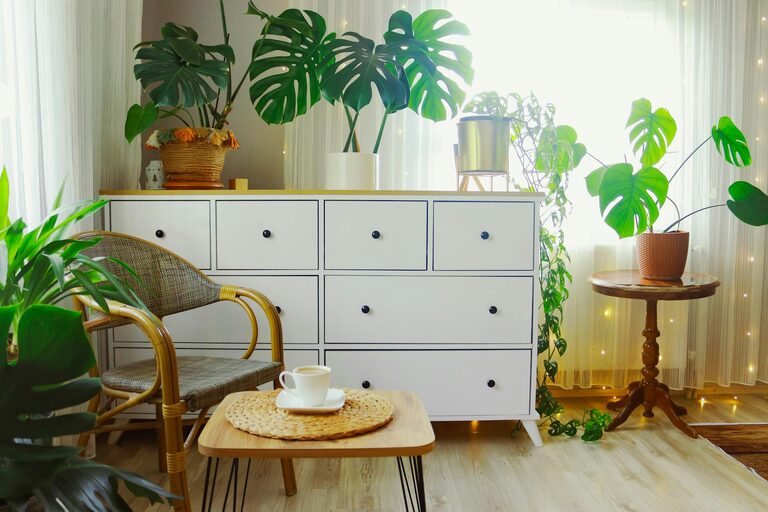
Creating a sustainable and eco-friendly home environment is a rewarding way to reduce your environmental footprint while enhancing your living space. Whether you are starting from scratch or making small changes to an existing home, adopting green habits can lead to long-term savings and a healthier atmosphere. This guide offers practical advice on how to design and maintain a home that respects the environment and promotes well-being.
Understanding Sustainability at Home
Sustainability in the home context means using resources responsibly to minimise waste and environmental impact. It covers energy use, water consumption, materials, and daily habits. By focusing on sustainability, you conserve natural resources, lower greenhouse gas emissions, and create a comfortable living space.
Energy Efficiency: Reduce Your Carbon Footprint
One of the most impactful ways to create an eco-friendly home is by improving energy efficiency.
Use Energy-Efficient Appliances
– Choose appliances with the Energy Star label or similar certification.
– Upgrade to LED lighting, which uses significantly less electricity than traditional bulbs.
– Use smart plugs and power strips to avoid “phantom” energy use by devices left on standby.
Improve Home Insulation
– Properly insulate walls, lofts, and floors to keep heat in during winter and out during summer.
– Seal gaps around doors and windows to prevent draughts.
Consider Renewable Energy
– Installing solar panels can reduce reliance on fossil fuels and lower electricity bills.
– Explore options such as solar water heaters or heat pumps for sustainable energy use.
Water Conservation: Use Wisely, Save More
Water is a precious resource, and reducing water waste is key to an eco-friendly home.
Install Water-Efficient Fixtures
– Fit aerated taps and low-flow showerheads to reduce water consumption without compromising comfort.
– Use dual-flush toilets or low-flush toilet options.
Harvest Rainwater
– Collect rainwater for watering plants or cleaning outdoor areas using simple barrels or tanks.
– This reduces demand on mains water and lowers water bills.
Household Habits
– Fix leaks promptly to avoid water wastage.
– Take shorter showers and run washing machines and dishwashers only with full loads.
Choosing Sustainable Materials and Furnishings
The materials used in your home affect its environmental impact dramatically.
Opt for Natural and Recycled Materials
– Use sustainably sourced timber or bamboo for furniture and floors.
– Select recycled glass, metal, or plastic for décor and building components.
Non-Toxic Paints and Finishes
– Choose paints and varnishes with low or zero volatile organic compounds (VOCs) to improve indoor air quality.
Buy Second-Hand and Upcycle
– Reduce waste by repurposing old furniture or buying pre-loved items.
– Refurbish instead of replacing to extend the life of your belongings.
Waste Reduction: Practise Recycling and Composting
Minimising waste both inside and outside the home supports sustainability.
Set Up a Recycling Station
– Create a designated space for sorting paper, plastics, glass, and metals.
– Familiarise yourself with your local recycling guidelines to ensure proper disposal.
Compost Organic Waste
– Use a compost bin to recycle kitchen scraps and garden waste.
– Composting reduces landfill waste and provides valuable nutrients for plants.
Creating a Greener Garden and Outdoor Space
Your outdoor space is part of your sustainable home environment.
Grow Native Plants
– Native species are adapted to your local climate and require less water and maintenance.
– They also support local wildlife and biodiversity.
Avoid Chemical Pesticides
– Use natural pest deterrents or companion planting to protect garden plants.
Reduce Lawn Size
– Replace some lawn areas with wildflower meadows or vegetable patches to support ecosystems and provide fresh produce.
Indoor Air Quality and Wellbeing
Sustainability is not just about energy and waste but also your home’s indoor environment.
Improve Ventilation
– Use extractor fans and open windows regularly to circulate fresh air.
– Consider air-purifying plants to enhance indoor air quality naturally.
Use Natural Cleaning Products
– Switch to eco-friendly cleaning products free from harsh chemicals.
– Homemade solutions such as vinegar and baking soda can be effective alternatives.
Building Sustainable Habits
Long-term sustainability depends on ongoing habits and mindfulness.
– Reduce single-use plastics by using reusable containers and bags.
– Support local and eco-friendly businesses when possible.
– Educate all household members about the importance of sustainability.
Conclusion
Creating a sustainable and eco-friendly home environment is achievable through thoughtful choices and everyday actions. By focusing on energy efficiency, water conservation, using sustainable materials, reducing waste, and supporting a healthy indoor environment, you contribute positively to both your family and the planet. Small changes add up, making your home a greener, healthier place to live.